Resources

We believe organisations should be able to measure what people can actually do — how they think, decide and act in realistic work scenarios — in ways that are scalable, defensible and respectful of candidates’ time. Symulate exists to help organisations make better decisions by grounding assessment in real work, supported by AI and informed by human judgement. Retail is not vanishing—it is transforming.
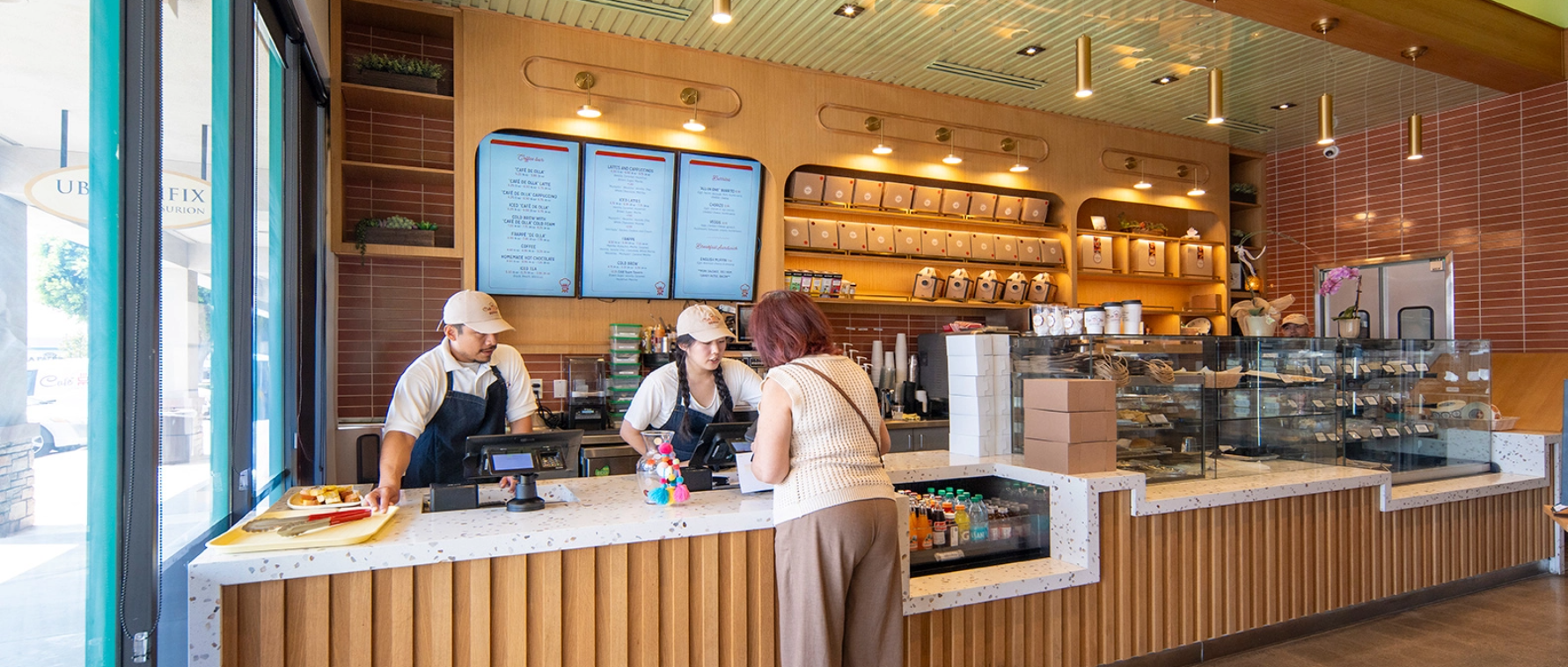
The linear, single-use model is obsolete. Today’s most resilient and valuable properties are defined not by transactional volume, but by their capacity for adaptability and their ability to curate authentic, engaging experiences. Future-proofing retail is not about aesthetics. It is a strategic endeavor that requires developers and owners to move beyond simple design and embrace a holistic approach that aligns space with the fluid realities of how people shop, gather, and connect. At Prosper Architects, we see this not as a challenge, but as a strategic opportunity: to evolve properties from mere points of sale into dynamic destinations positioned for long-term value.
The Evolving Consumer: The modern consumer is value-driven, digitally fluent, and seeking experiences. Gen Z is 7% more likely to purchase secondhand, contributing to a resale market projected to reach $73B by 2028. At the same time, consumers expect seamless integration across digital and physical touchpoints.
Harvard research shows omnichannel customers spend 15–30% more than single-channel shoppers—proof that physical stores are critical drivers in a hybrid journey. Macroeconomic Pressures: Labor shortages, rising wages, and property rents up 20–40% in prime areas are forcing efficiency. Automation of routine tasks frees staff for higher-value, customer-facing roles, aligning with the experiential model where service and knowledge are as important as product. Strategic design has become a financial necessity.
For decades, artificial intelligence (AI) has been impressive, but predictable. Even the most groundbreaking systems, like Google’s AlphaGo, followed a familiar pattern: learn, optimize, execute. Once the training was done, the AI stuck to what it knew, i.e., applied pre-learned strategies from reinforcement learning and self-play.
But what happens if AI could rewrite the rules autonomously in real time? Most AI today, like OpenAI’s original ChatGPT or DALL·E, respond when prompted—it generates text, images, or code based on input.
But agentic AI is something else entirely. It doesn’t wait for commands—it pursues goals, makes decisions, and takes action with minimal human oversight. In other words, it thinks and acts on its own.
So, how does AI move from passively generating content to autonomously solving complex tasks?
For decades, artificial intelligence (AI) has been impressive, but predictable. Even the most groundbreaking systems, like Google’s AlphaGo, followed a familiar pattern: learn, optimize, execute. Once the training was done, the AI stuck to what it knew, i.e., applied pre-learned strategies from reinforcement learning and self-play.
But what happens if AI could rewrite the rules autonomously in real time? Most AI today, like OpenAI’s original ChatGPT or DALL·E, respond when prompted—it generates text, images, or code based on input.
But agentic AI is something else entirely. It doesn’t wait for commands—it pursues goals, makes decisions, and takes action with minimal human oversight. In other words, it thinks and acts on its own.
So, how does AI move from passively generating content to autonomously solving complex tasks?
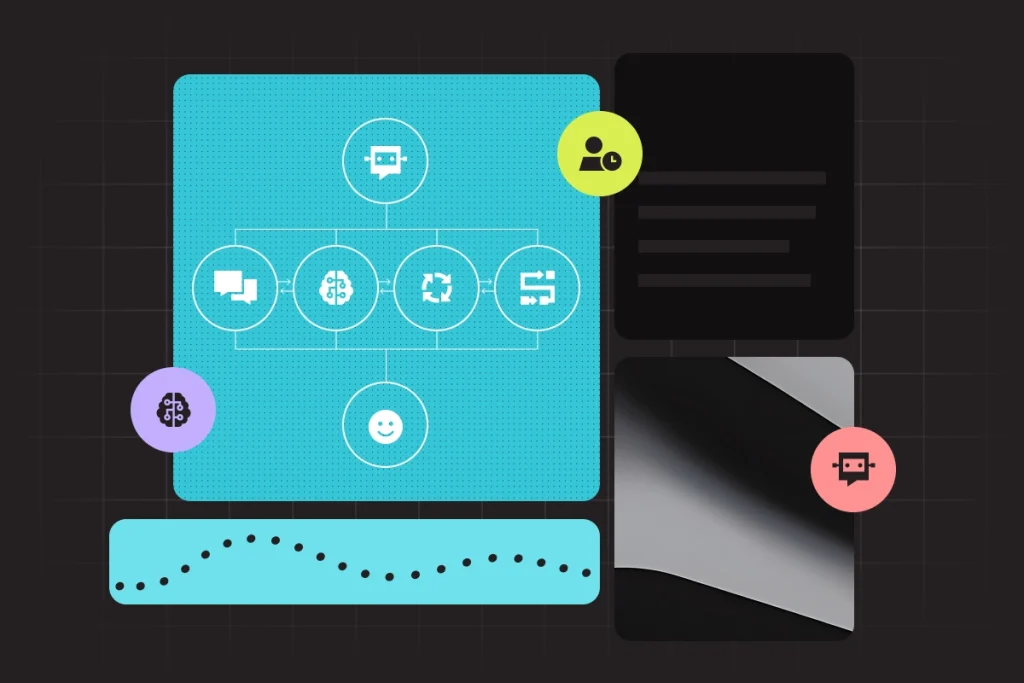
Agentic AI are systems that operate independently to achieve specific goals with minimal human oversight. While traditional AI processes data and provides insights, agentic AI takes action, i.e., it makes decisions and adapts in real time based on its objectives.
Specifically, these systems don’t simply execute pre-programmed tasks. They have contextual awareness, which lets them evaluate options, and adjust their behavior based on new information. Over time, agentic AI learns from user behavior and past interactions.
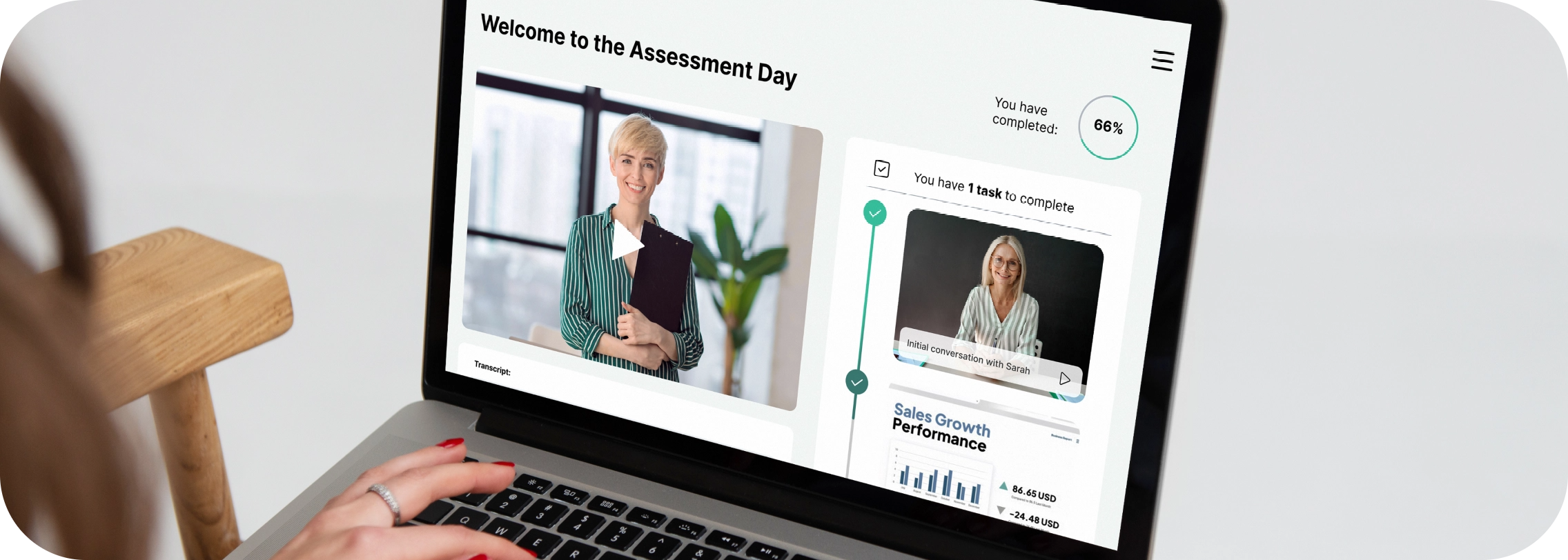
We believe organisations should be able to measure what people can actually do — how they think, decide and act in realistic work scenarios — in ways that are scalable, defensible and respectful of candidates’ time.
Symulate exists to help organisations make better decisions by grounding assessment in real work, supported by AI and informed by human judgement.
Retail is not vanishing—it is transforming. The linear, single-use model is obsolete. Today’s most resilient and valuable properties are defined not by transactional volume, but by their capacity for adaptability and their ability to curate authentic, engaging experiences.
Future-proofing retail is not about aesthetics. It is a strategic endeavor that requires developers and owners to move beyond simple design and embrace a holistic approach that aligns space with the fluid realities of how people shop, gather, and connect. At Prosper Architects, we see this not as a challenge, but as a strategic opportunity: to evolve properties from mere points of sale into dynamic destinations positioned for long-term value.
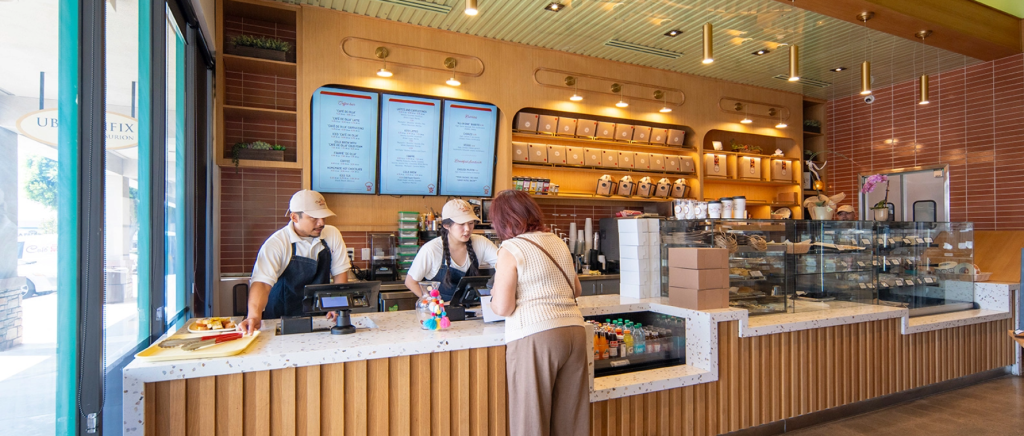
The Evolving Consumer: The modern consumer is value-driven, digitally fluent, and seeking experiences. Gen Z is 7% more likely to purchase secondhand, contributing to a resale market projected to reach $73B by 2028. At the same time, consumers expect seamless integration across digital and physical touchpoints. Harvard research shows omnichannel customers spend 15–30% more than single-channel shoppers—proof that physical stores are critical drivers in a hybrid journey. Macroeconomic Pressures: Labor shortages, rising wages, and property rents up 20–40% in prime areas are forcing efficiency. Automation of routine tasks frees staff for higher-value, customer-facing roles, aligning with the experiential model where service and knowledge are as important as product. Strategic design has become a financial necessity.